 By Jimmy Montano
35+ Story Buildings: What You Need to Know About El Salvador’s Tax Incentive for High-Rise Projects
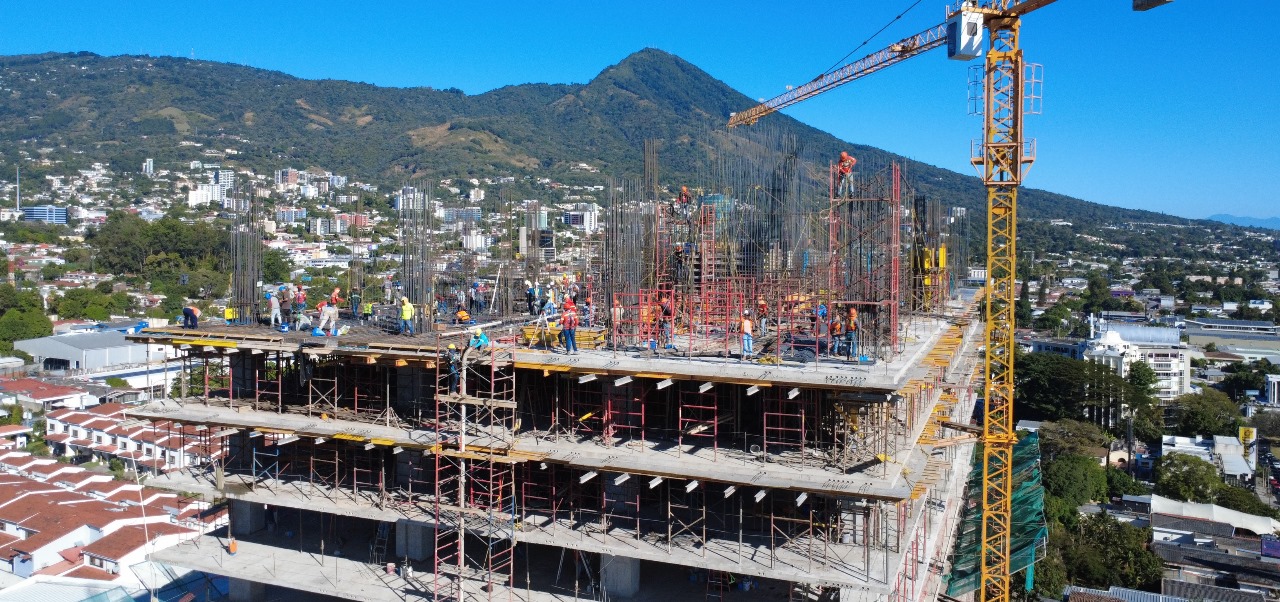
El Salvador wants to grow upward. With the Special Provisions for the Promotion and Granting of Tax Incentives to Encourage the Development of High-Rise Real Estate Projects, the country offers one of the most attractive exemptions in the region for developers of tall buildings: 15 years free of income tax on the profits these projects generate.
In this article we summarize what the law establishes, who can benefit, how to apply and what to review before investing.
How did the decree come about?
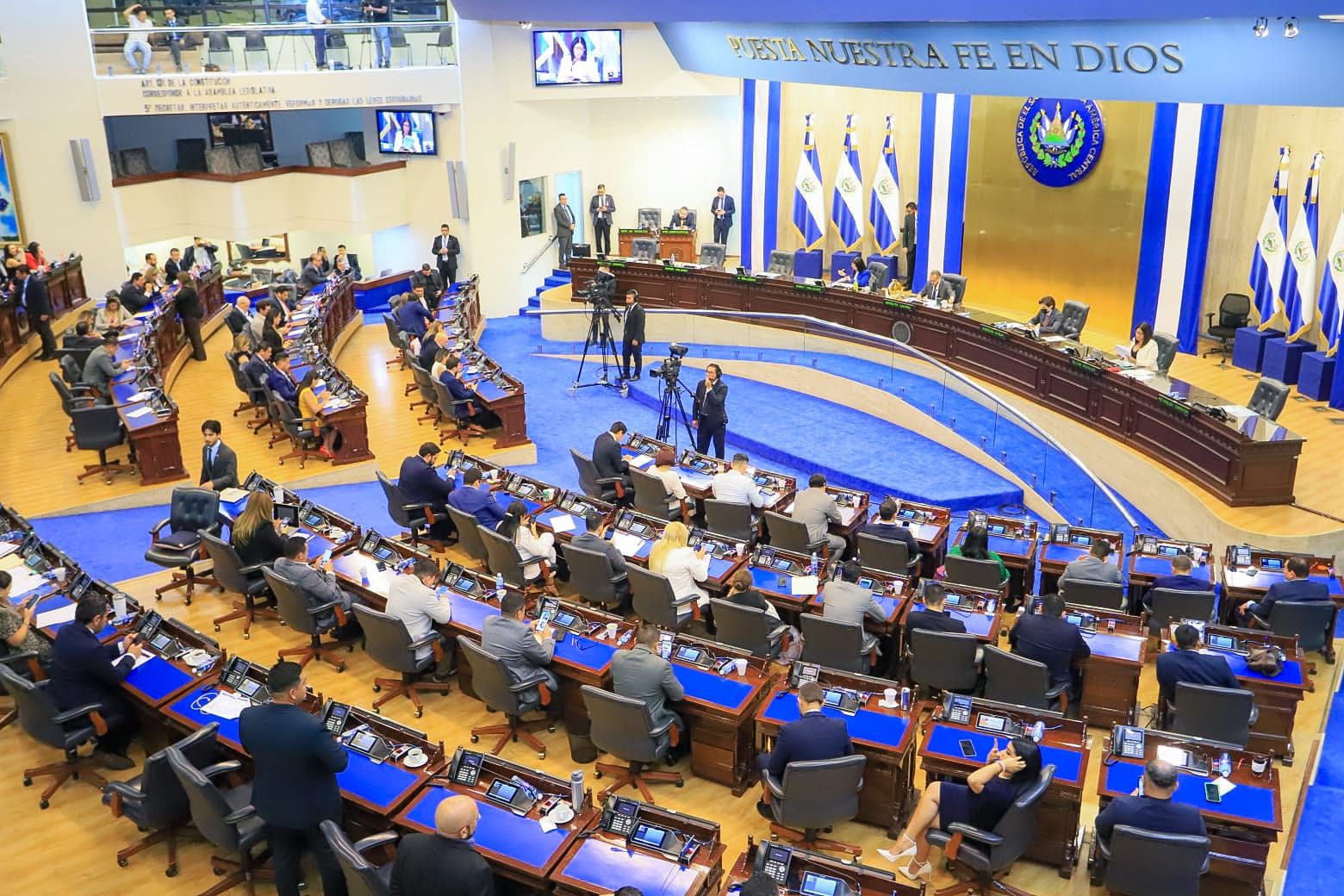
The bill was drafted by the Legislative Assembly’s Committee on Technology, Tourism and Investment and approved in plenary session on September 23, 2024, with 57 votes. It is Legislative Decree No. 95, published in Official Gazette No. 181, Volume 444, on September 24, 2024, and in force eight days after publication.
Luis Rodríguez, executive director of the San Salvador Metropolitan Area Planning Office (OPAMSS), attended the session and projected investments of around US$7.8 billion in projects located in the San Salvador Metropolitan Area, La Libertad Costa and La Libertad Este.
Which projects qualify?
The incentive applies to new buildings of 35 floors or levels or more, measured from the lowest point of the street grade, whose construction begins after the decree takes effect. Buildings that already existed or were under construction before that date do not qualify.
What does the incentive grant?
For 15 years, counted from the fiscal year in which the project begins to earn profits and income, the exemption covers:
- Income tax on profits and income from the incentivized activities.
- Capital gains tax (articles 14 and 42 of the Income Tax Law).
- Withholding taxes and advance or on-account payments of that tax.
Keep in mind that the benefit is limited to income tax and related items. The decree does not exempt VAT, customs duties, municipal taxes or the real estate transfer tax, so these must be factored into the project’s financial structure.
Who can benefit?
Individuals, companies and partnerships, whether or not domiciled in El Salvador, may apply if they own new investments in high-rise projects and earn income from any of these activities:
- First sale of the high-rise property, in whole or by units.
- Leasing for tourism, commercial or service purposes, provided the lessor is the original owner or initial investor.
- Leasing of spaces and hospitality services, when provided by the project owner.
- Construction services for the high-rise property.
For companies, the exemption also extends to partners and shareholders, but only on profits or dividends from the incentivized activities. If the partner is itself a legal entity, the benefit belongs exclusively to that entity and does not pass through to its own partners.
Excluded are buyers of apartments, offices or commercial units within the building, as well as anyone who leases or subleases them to third parties.
How do you apply?
The application is filed with the General Directorate of Internal Taxes (DGII) of the Ministry of Finance, and timing is key: it must be submitted at least 30 days before construction begins.
The filing must include, among other details:
- Project name and location.
- Height specifications.
- Owners, partners or shareholders.
- Amount of the investment or services.
- Estimated completion date.
The DGII must issue, within ten days, a resolution declaring the applicant a beneficiary. The incentive is subject to audit, and if misuse is found, the resolution may be revoked under the Tax Code procedure.
The debate in the Assembly
The approval did not come without discussion. Deputy Claudia Ortiz (Vamos) proposed that, starting in the third year of the benefit, investors build three homes of up to US$25,000 for every apartment sold above US$200,000. Deputy Marcela Villatoro (ARENA) proposed extending the exemption to social housing projects priced between US$50,000 and US$150,000. Both proposals received only three votes.
From the governing party, Deputy Edgardo Mulato said the law brings government and private industry together to address housing needs, and lawmakers mentioned the possibility of building high-rise housing in municipalities such as San Martín, Soyapango and Apopa, beyond the traditionally developed areas.
Why does it matter for the economy?
According to Central Reserve Bank data cited by Estrategia y Negocios, construction generates more than 200,000 direct jobs (about 8% of the workforce) and accounts for roughly 12.5% of GDP. An incentive that activates large-scale projects has a multiplier effect on suppliers, labor and related services.
To put it in perspective: the country’s tallest buildings, such as Torre Millenium (24 floors) in San Salvador or Torre El Pedregal (25 floors) in Antiguo Cuscatlán, fall well short of the 35-level threshold the decree requires.
Key points for investors
- Plan your timeline. The benefit is lost if the application is not filed at least 30 days before construction starts.
- Keep separate accounts. The exemption only covers income from incentivized activities; other income is taxed normally.
- Design the corporate structure carefully. How partners and shareholders are treated, especially when they are legal entities, directly affects the scope of the benefit.
- Watch ownership on leases. Leasing is only exempt when done by the original owner or initial investor.
- Coordinate with OPAMSS or other planning authorities. The tax incentive does not replace building permits or technical studies on traffic, soil and hydraulics.
- Be ready for audits. A well-organized file from day one reduces the risk of revocation.
Conclusion
The high-rise incentive opens a window of opportunity for developers, local and foreign investors, and construction companies. However, making the most of it depends on meeting precise formal requirements and structuring the project correctly from day one.
At Montano & Co. we can help you assess whether your project qualifies and prepare your application to the DGII. Contact us to discuss your investment.